Dust Storm Cleaning in Kuwait: Before, During & After the Toz
Anyone who has lived through a Kuwaiti summer knows the drill. The sky turns amber, visibility drops, and no matter how tightly you shut the windows, a fine beige film settles on every shelf, screen, and sill in the house. Locals call it the toz – and cleaning up after it the wrong way just spreads it […]

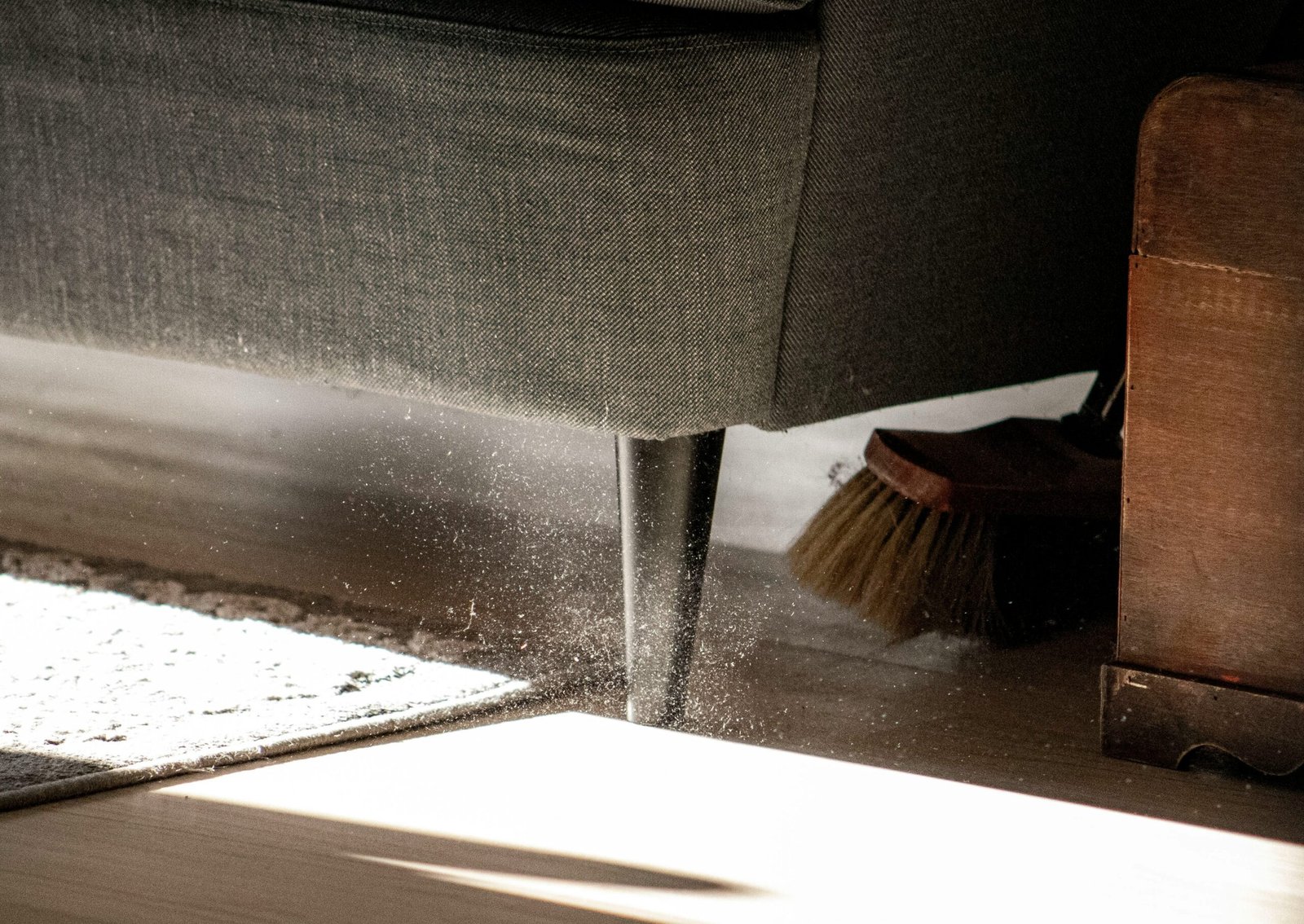
Anyone who has lived through a Kuwaiti summer knows the drill. The sky turns amber, visibility drops, and no matter how tightly you shut the windows, a fine beige film settles on every shelf, screen, and sill in the house. Locals call it the toz – and cleaning up after it the wrong way just spreads it around.
After ten years of post-storm deep cleans across Kuwait City, Hawalli, and Salmiya, here is exactly how our crews handle it – and how you can too.
Why Kuwait’s dust is harder to clean than normal dust
Storm dust here isn’t the fluffy grey stuff that gathers under a sofa. It’s ultra-fine desert silt, often smaller than 10 microns, which means three things:
- It gets through gaps – window seals, door thresholds, and AC intakes let it straight in.
- It scratches – the particles are mineral. Wipe them dry across a glass table or a TV screen and you’re sanding the surface.
- It lingers in the air – fine particles stay suspended for hours after the storm passes, then settle again on the surfaces you just cleaned.
Before the storm: 15 minutes of prep saves 3 hours of cleaning
- Seal the obvious gaps. A rolled towel along the balcony door threshold and closed window latches (not just pulled shut) block the worst of it.
- Switch AC to recirculate. If your unit has a fresh-air intake, close it. You want the AC moving indoor air, not pulling the storm inside.
- Cover electronics and open shelving. A light sheet over the TV, console, and bookshelves means one shake-out instead of an hour of detail dusting.
- Bring in or cover balcony furniture. Cushions especially – silt works deep into fabric and is far harder to remove than to prevent.
During the storm
Keep windows shut and resist the urge to start wiping. Cleaning while dust is still settling is wasted effort. If anyone at home has asthma or allergies, run an air purifier if you have one, and keep activity low – indoor air quality dips even with everything sealed.
After the storm: the right order matters
The single biggest mistake we see is starting with the floor. Dust falls. Clean top-down, in this order:
- Wait an hour after the sky clears so suspended particles finish settling.
- Air out briefly : 10-15 minutes of cross-ventilation once the outside air is visibly clear.
- Ceiling fans, AC vents, and light fittings first. A damp microfiber cloth, rinsed often.
- Walls and high shelves next. Yes, walls – fine silt clings to paint. A barely-damp flat mop glides over them quickly.
- Furniture and surfaces. Always damp microfiber, never a dry cloth or feather duster – dry wiping scratches and simply relaunches the dust into the air.
- Screens and glass last among surfaces, with a dedicated clean cloth so you’re not dragging grit across them.
- Floors at the very end. Vacuum first (a HEPA filter if you have one), then damp-mop. Mopping without vacuuming turns silt into a thin layer of mud.
Don’t forget the AC filters
This is the step almost everyone skips. After a major storm, your AC filters are loaded with silt. Left alone, the unit blows fine dust back into every room for weeks – which is why some homes “never feel clean” in summer. Rinse washable filters until the water runs clear, dry them fully, and refit. If your split units haven’t been deep-cleaned this season, a storm is the moment it shows.
When it’s worth calling professionals
A light storm is a DIY afternoon. But after a heavy toz – or if dust reached sofas, curtains, and mattresses – extraction cleaning makes a real difference. Fabric holds silt that surface wiping never reaches, and every sit-down puffs it back into the air your family breathes. Our post-storm deep clean covers vents, walls, fabrics, and floors in a single visit, with eco-safe products that are family- and pet-friendly.
Quick FAQ
Should I open windows after a dust storm?
Yes, but briefly and only once the air outside is visibly clear, 10-15 minutes to exchange the air, then close up and clean top-down.
What’s the best cloth for dust storm cleanup?
Damp microfiber, rinsed frequently. Dry cloths and feather dusters scratch surfaces and re-suspend the dust.
How often should AC filters be cleaned in storm season?
Check monthly from May to September, and always after a major storm. If a filter looks beige, it’s overdue.
Storm left its mark? We’ll have your home spotless again vents, fabrics, floors and all. Call +965 9874 6670 or book on WhatsApp and we’ll confirm your crew within the hour.
Ready for a spotless space?
Book Clean Home Kuwait's vetted, insured crew — supplies included, results guaranteed.
Book a service